Search results for
videos creaming butter and sugar
Filter Results
Sort By:
Recipes
(211)

Easy
Recipes
Thick-sliced panettone is the base for caramelized bananas and ice cream in this dessert.

Recipes
A vast array of cookie recipes spring from one basic formula: butter and sugar are beaten together, eggs are stirred in for moisture, and flour is mixed in at the end. The consistency of the resulting cookie dough can range from one firm enough to roll out and cut, to a dough soft enough to drop from a spoon right onto a baking sheet, to a very wet dough moistened only with egg whites that has to be piped and thinly spread with a knife onto a baking sheet. (A charming cookie called a langue de chat, or cat’s tongue, is made from this last kind of dough.) Beating butter and sugar together until fluffy and light-colored is called creaming. Sugar is added, and the beating continues until the mixture is light and fluffy again. The creaming process aerates the butter: air bubbles are literally forced into the butter mixture. These air bubbles expand during the baking, making the cookies light and tender. Butter can be creamed by hand or with a mixer. If using a mixer, the butter and sugar can be added at the same time. Mix at medium-high speed for 2 or 3 minutes (if using a stand mixer, use the paddle attachment). Stop the machine once or twice to scrape down the sides to ensure that all the sugar gets incorporated into the butter evenly. In a pinch, cold butter can be used: just put it in the mixing bowl by itself and beat until soft before adding the sugar. The butter has to be soft to cream properly. Once the butter and sugar are creamed together, add the eggs and mix well. If using a mixer, scrape down the sides of the bowl as needed. It is important that the eggs be at room temperature, too. If they are added cold, the butter will seize up, deflating the air bubbles, and the dough will resist thorough mixing. Add liquid flavorings and sweeteners such as vanilla extract, liquors, molasses, and honey along with the eggs. Flour is the last ingredient to be added. Be sure to measure the flour the same way every time. This will make your baking more consistent. I recommend this method: Stir the flour up to fluff it. Use a dry measuring cup, the flat-topped kind that fills to the brim, and either scoop up the flour with it or spoon the flour into it; then draw a spatula or knife across the top of the cup to level the flour. Don’t tap the cup or the flour will compact. Add the flour to the butter and eggs and stir it in until just mixed. You want all the flour to be completely mixed in, but too much stirring will activate the gluten in the flour and make the cookies tough. Mix salt, ground spices, and baking powder or baking soda into the flour before it is added to the cookie dough. Chunky flavorings such as chopped nuts, chocolate, or dried fruit should be stirred in gently after the flour has been mixed in. Dough for drop cookies can be baked right away or chilled and baked later. Cookies that are to be shaped or rolled out often require chilling first to firm up the dough. Many cookie doughs can be rolled into logs, chilled, and then sliced into neat cookies to bake. Shape the logs into ovals, squares, or rectangles for different shapes. The logs can be frozen for up to 2 months and the sliced cookies require no defrosting before baking. Slice off as many cookies as needed and return the rest to the freezer for later. To bake cookies properly it is worth investing in one or two heavy baking sheets. They help the cookies to bake evenly, particularly by keeping them from browning too much on the bottom. An oven thermometer is helpful for determining your oven’s actual temperature. I like to line baking sheets with parchment paper or a silicone mat, both of which keep cookies from sticking and make cleanup much easier. The parchment paper can be reused from batch to batch. Bake the cookies in the center of a preheated oven. Adjust your oven racks if necessary. Every oven has a hot spot where the cookies will bake more quickly. To compensate for this, rotate the baking sheets halfway through the baking. Turn the ...

Recipes
Any heavy cream that's beaten long enough turns into butter, of course. But by incorporating one extra step in the process—culturing the cream with buttermilk or yogurt, essentially turning it into tangy, funky crème fraîche—this recipe reaches a whole new depth of flavor.

4.5
(4.5)

Recipes
These simple sugar cookies are crisp yet tender, keep their shape when baked, and yes, taste great too.
4.0
(4.19)

Quick
Recipes
Pour this classic powdered sugar icing over a batch of doughnuts, drizzle it on a cake or cinnamon rolls, or use it as the base icing for a cookie decorating party.
Recipes
Brown butter refers to butter that is heated quickly in a sauté pan until the milk solids just turn golden brown; it is then used immediately for cooking. It is a delicate operation because if heated a few seconds too long, the butter solids turn black and an unpleasant bitter taste is all you have to work with. Brown butter has developed a cultlike following and is now made specifically to be used as a flavoring agent in nontraditional recipes from sweet to savory. While we were working on ideas for increasing our output of brown butter, Michael Laiskonis, pastry chef at Le Bernardin, blogged about his experiments with brown butter. He shared a technique of reducing heavy cream until it separated into clarified butter and milk solids. This led to a discussion in the blog comments about the best way to extract the most milk solids from dairy and how to get the best yield of brown butter solids to play with. The discussion culminated with a tip from Cory Barrett, the pastry chef at Cleveland’s Lola Bistro. He suggested using nonfat dry milk to increase the yield of caramelized milk solids, and recommended letting them brown slowly in butter, then steeping them overnight to increase the butter flavor. This is why we love the Internet. It brings like-minded people together. Thanks to Michael and Cory, we now have access to a new approach, which yields a bounty of brown butter solids to be integrated into innumerable dishes. For our brown butter solids, we melted 2 sticks (224 grams) of unsalted butter and added 1 cup (80 grams) of nonfat milk powder. One of our favorite uses for brown butter is this ice cream. Just wait until you taste it.

Recipes
We think of this flavor as old-fashioned—in the best way possible. It evokes an earlier time, when butter was churned at home by hand. Buttermilk enhances any kind of fruit, creating an interplay of tartness and richness.

Recipes
Made with coconut sugar, these cookie sandwiches—filled with a whipped white chocolate, coconut, and rum ganache—have deep caramel and molasses notes.

Recipes
Coconut sugar, which is lower on the glycemic index than standard granulated sugar, gives this diabetes-friendly cheesecake a slightly nutty color and caramel flavor.

Recipes
Make these irresistible melt-in-your mouth shortbread-style cookies, which are topped with lime glaze and zest for a tangy and citrusy punch.
4.0
(4.2)
Articles
(284)

Cooking
It adds even more toasty, nutty, caramelized flavor.
Shilpa Uskokovic

Cooking
With just a few ingredients, it will dramatically improve any and every cake.
Emma Laperruque

techniques
Making dessert has never been sexier.

Shopping
This oat spread is sweet, drizzly, and allergen-free—and I can’t stop eating it.
Ali Francis

Cooking
Keep it around for bouncier bread, creamier ice cream, and more.
Shilpa Uskokovic

techniques
Tips and tricks for getting the perfect light and fluffy texture in baked goods
Dawn Perry
Videos
(251)
icon
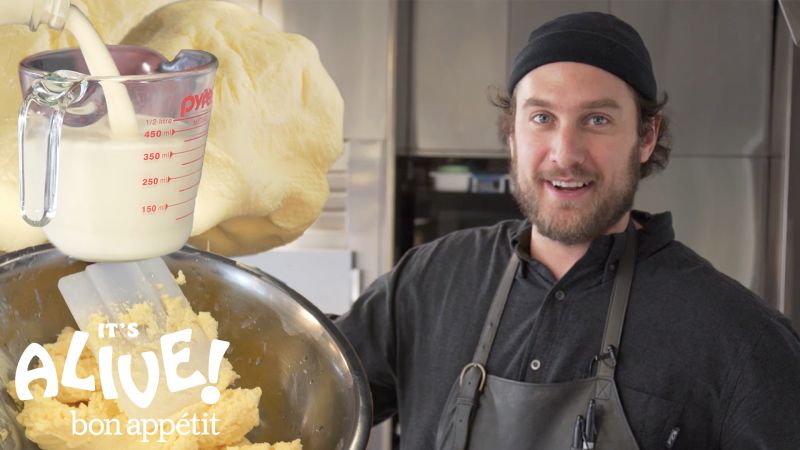
Bon Appétit test kitchen manager, Brad Leone, is back with the second episode of "It’s Alive," and this time he’s taking you to school, making tangy, creamy, salty cultured butter. Will it be boring? Nope. Is the process scientifically accurate? Maybe. Will there be jokes and made-up words? Most likely. Will you learn about butter? Of course. Get those churning hands ready, buy some buttermilk, cream, and grab some bread. It’s Butter. It’s Alive.
icon
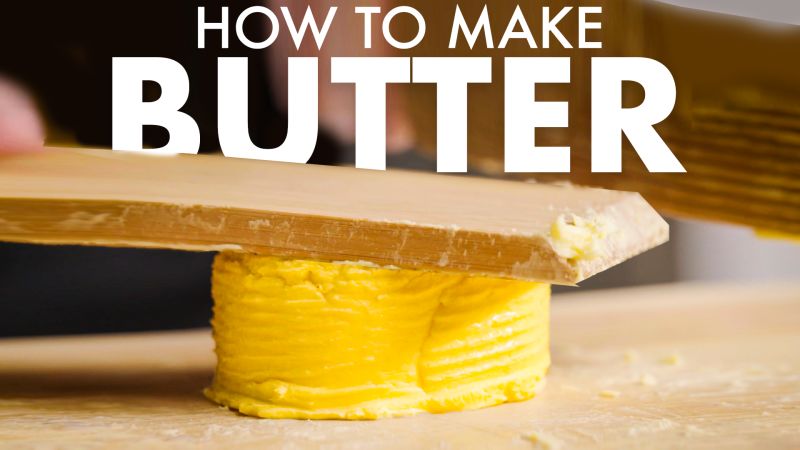
Store-bought butter comes in all types, shapes, and sizes but there's something unmistakably satisfying (and delicious) about making your own at home. Flavor scientist Arielle Johnson demonstrates precisely how to make it happen in your own kitchen, explaining in detail each step of turning liquid dairy into flavorful, spreadable butter.

icon
Philly Cream Cheese forest animation
icon
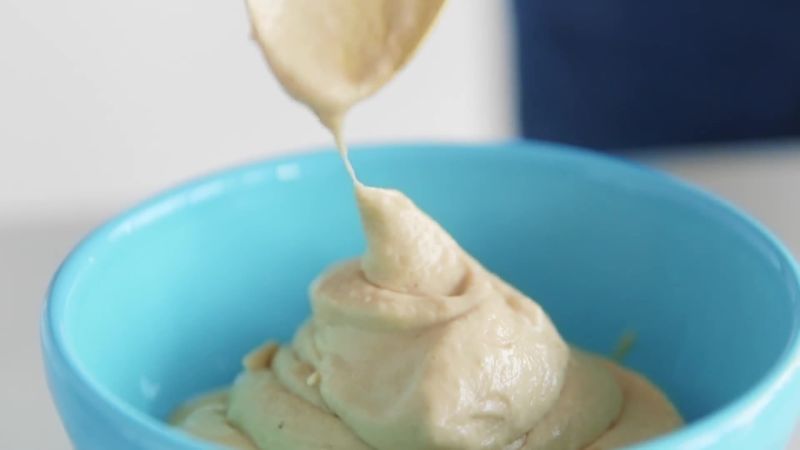
It doesn't get much easier than this banana ice cream.
icon
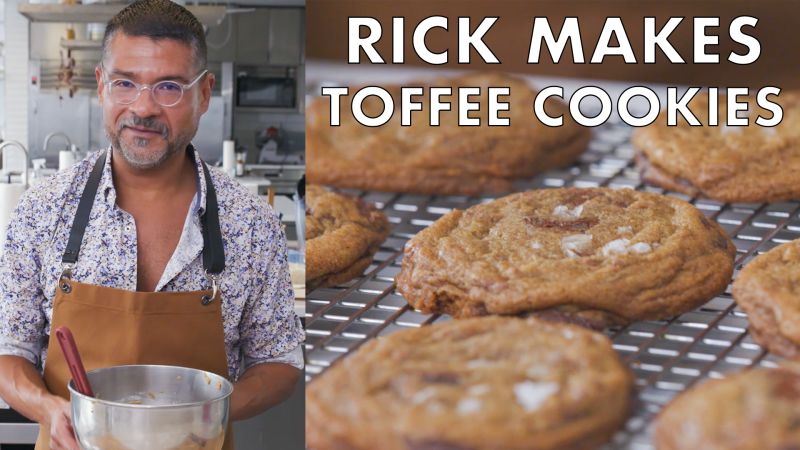
Join Rick in the Test Kitchen as he makes toffee cookies! Using chocolate wafers instead of chips is a cookie game-changer. They spread as they melt, creating thin pockets of chocolate in each layer, and stay much softer at room temperature.
Get the recipe: Brown Butter Chocolate Chip Cookies With Toffee
Get the recipe: Brown Butter Chocolate Chip Cookies With Toffee

icon
Join Rick Martinez in the Bon Appétit Test Kitchen as he makes apple cider doughnuts. These sugared doughnuts are craggy and crunchy on the outside, tender and moist on the inside. Apple butter (not sauce!) is key to their texture and flavor; look for it alongside jams and jellies in the supermarket, or at farmers’ markets, or make your own.
Check out the recipe here: https://slim-weight.today/recipe/bas-best-apple-cider-doughnuts%3C/div%3E%3C/div%3E%3C/div%3E%3C/div%3E%3C/div%3E%3C/div%3E%3C/div%3E%3Cdiv class="SummaryCollectionGridItem-jZgIDA eNtNee">