Search results for
tips how to beat egg whites
Filter Results
Sort By:
Recipes
(153)

Quick
Recipes
Silky set whites, runny yolks—this method makes poached eggs easy.
5.0
(5)

Recipes
A poached egg is easily cooked, incredibly nutritious, economical, and easily served at any meal. Poached eggs perched on a buttered toasted slice of tender bread is a perfect breakfast; a shimmering bowl of chicken broth served with an egg poached in it is a nourishing lunch that can generate a warm sense of well-being; and curly endive tossed in a warm vinaigrette with bacon and topped with a poached egg is a favorite dinner salad of mine—the egg enriching the vinaigrette as it coats the leaves. A poached egg is cracked from its shell and cooked in water, stock, or, sometimes, wine until the white has just solidified and the yolk has heated through. The poaching liquid should be very hot, but without any bubbles breaking the surface. This gentle still heat keeps the white tender and helps the egg keep its shape while cooking. Fresh eggs are best. A fresh egg cracked onto a plate has a thick, jellylike white that clings to the deep orange yolk, which stands up plump and high. As eggs age, their flavor dissipates and their whites thin out to the point of being watery at the edges, making it difficult to poach one with any success. Use a heavy pan for even heat dispersal, which helps keep the eggs from sticking to the bottom. If a heavy pan is not available, use a flame tamer. A relatively shallow pan will make it easier to remove the eggs from the hot water. I use a low-sided saucepan. Fill the pan with water 2 to 3 inches deep, add a large splash of vinegar, and put the pan over a medium fire. The vinegar speeds the coagulation of the whites, keeping them from billowing out into the water. Use good-tasting vinegar, as you will be able to taste it slightly. I add about 1 tablespoon to 4 cups of water, but if you particularly like the flavor of vinegar on your eggs (and it is delicious), add more. When poaching eggs in soup or broth don’t use the vinegar. Carefully, without breaking the yolks, crack the eggs into individual cups or small bowls. This way you can easily remove any fragments of eggshell and it will be easier to slip each egg gently into the water; and if you do break a yolk, you can set it aside for another use. When the water is very hot, but not bubbling, hold the cup right at the level of the water and carefully slide the egg in. This gentle entry into the water will help the egg keep its shape. After a minute you can gently stir the water a while to discourage the eggs from sticking to the bottom of the pan. Use care, though; the eggs are very delicate until the whites are set. Lower the heat if the water begins to simmer. The cooking time will vary depending on the number of eggs, their size, and the temperature they were when they went into the water. On average, a single large egg straight from the refrigerator will take about 3 minutes to cook. The white will be set but the yolk will still be soft; for a firmer yolk allow up to 5 minutes. Test for doneness by gently lifting the egg with a slotted spoon and pressing it gently with your finger to feel how set the white and yolk are. Carefully remove the cooked eggs and drain for a moment on a towel, blotting the top very gently to dry. When cooking for a crowd, freshly poached eggs can be kept for a few minutes in a bowl of warm water or stock while another batch is being cooked.

Quick
Recipes
A why-didn't-I-think-of-that technique takes this classic from great to greater.
5.0
(5)

Recipes
Perfectly cooked eggs dive into a creamy, spiced, tomato-tinged sauce.
5.0
(5)

icon
techniques
Instructions for making the perfect egg—with the white just set an almost runny yolk—to put in ramen or just eat straight

Quick
Recipes
A coarsely mashed filling, crunchy with celery, scallions, and pickle relish, is the key to the best deviled eggs.
4.0
(3.92)

Quick
Recipes
Once you master this easy recipe, you’ll be adding these to everything you make.
4.4
(4.39)
Recipes
Here's a great way to blow eggs that is efficient, sanitary, and creates no mess.

Quick
Recipes
We obsessed over all the details so you don’t have to.
5.0
(4.87)
Quick
Recipes
Because they are cooked in water, with no oil or other fat added, poached eggs are a healthful alternative to eggs cooked by many other methods. But their true appeal is in their texture, the ideal being a still-runny yolk surrounded by a just-set white. Their no-fat cooking method also suggests that the eggs might benefit from being served with a rich, flavorful Hollandaise Sauce (see page 96), as in eggs benedict. But they are also delicious on a slice of toast, which soaks up the yolk. A bit of practice is required to prevent the egg white from dispersing into the water, causing the edges to become frayed. Some cooks prefer to add a drop of white vinegar to the water to help the white coagulate; others swirl the water vigorously to create a whirlpool (technically a vortex, which traps the egg inside) just before sliding in the egg. Generally, though, you should not have a problem if you heed these suggestions: Use very fresh eggs; keep the water at a bare simmer (it should hardly move); gently slide the broken egg into the water; and spoon the edges of the whites over the egg as soon as it is in the pan.
Quick
Recipes
Yes, This is good for you. But that’s not the reason I eat it. By whipping the egg whites just until foamy, the resulting omelet is light and delicious. (Unwhisked egg whites get rubbery.) Unlike regular omelets, which shouldn’t color, this one gets cooked in a blazing hot pan until crisped and brown and the fresh herbs get sealed right into the whites. While lemon may seem an unlikely pairing for eggs, the bit of zest at the end adds a brightness perfect for the clean flavors here.

Quick
Recipes
Use this boiled egg recipe to boil 'em in bulk at the beginning of the week. Make egg salad with the egg-stras!
3.0
(3.2)
Articles
(117)

Cooking
Turn ordinary egg whites into delightful fluff.
Sarah Jampel

Cooking
So you can finally achieve effortless “stiff peaks.”
Shilpa Uskokovic

techniques
From light and lofty meringes to healthy omelets, here are our test kitchen's tips for using egg whites in your cooking
Belle Cushing

techniques
How to get firm egg whites without overcooking the yolk. Basically, a magic trick.
Marian Bull

Cooking
Try this technique once and you’ll go back to it for years.
Noah Kaufman

Cooking
This counterintuitive technique means no more overcooked yolks or rubbery whites.
Alexis deBoschnek
Videos
(114)
icon
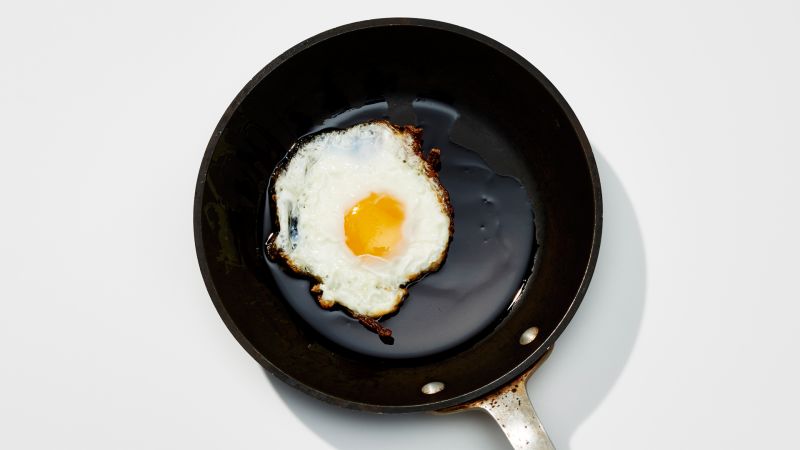
The secret to a perfectly crisp outer rim with that golden runny center is all in the basting. Watch and learn.
icon
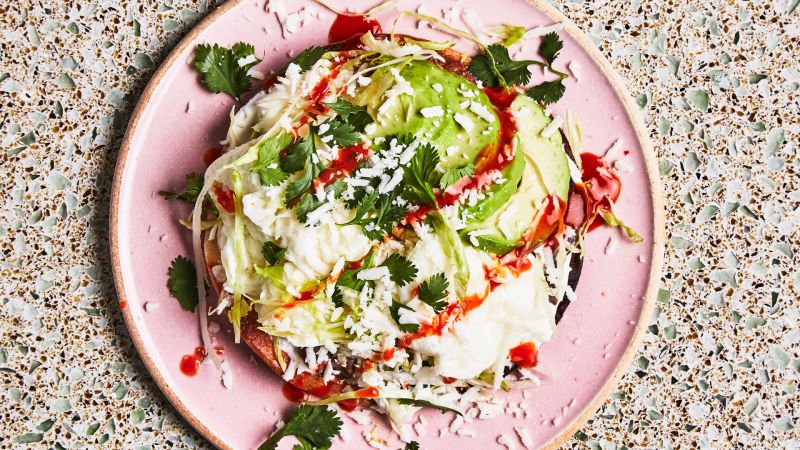
For when you want a healthier take on a classic.
icon
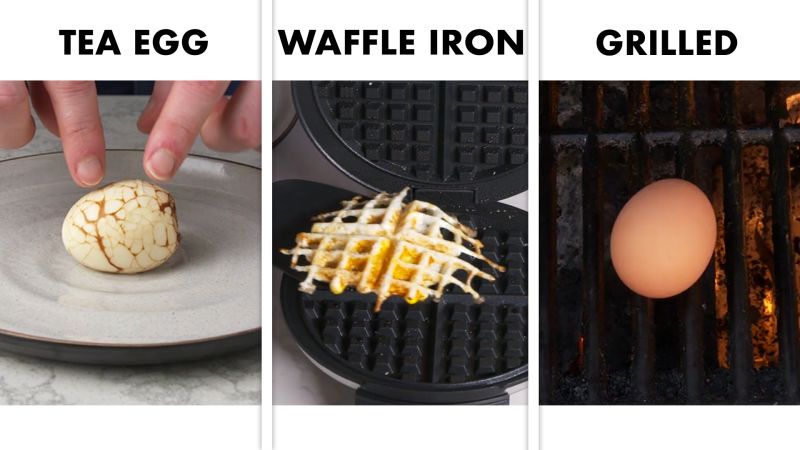
Join Basically editor Amiel Stanek as he attempts to cook an egg in almost every way possible. Which method is the best? Can there be a best method? What does 'best' even mean? Who says what's best? Not us. They're all eggcelent (besides the ones that aren't).

icon
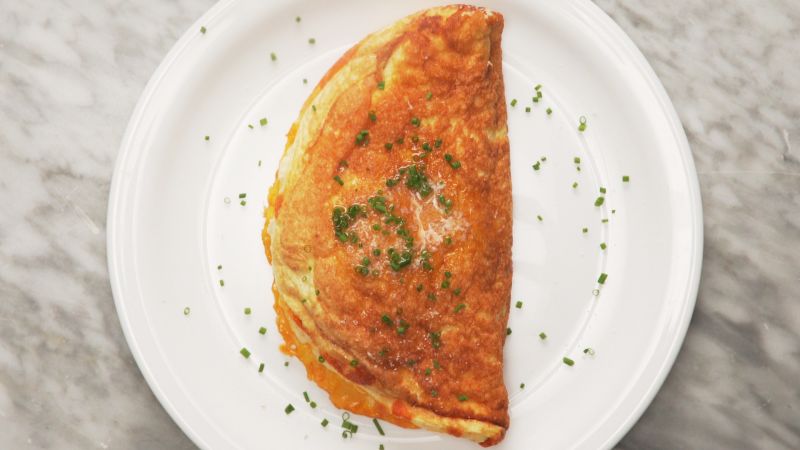
Join Carla Music in the Bon Appétit Test Kitchen as she makes a soufflé-style omelet. Your arm may get tired during all of the whisking, but make sure the egg white peaks are firm enough to stand up on their own while still having a nice shine to them!
icon
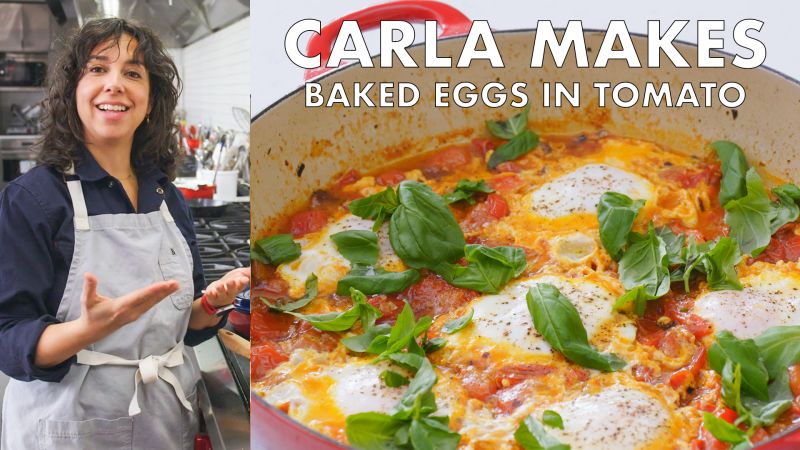
Join Carla Music in the Bon Appétit Test Kitchen as she makes baked eggs in tomato. The trick is getting the eggs cooked so that the whites are set and the yolks are still jammy—starting with room temperature eggs is key, so soak them in hot water for a few minutes if they're cold from the fridge.
Get the recipe: Quick Shakshuks With Yogurt
Get the recipe: Quick Shakshuks With Yogurt
icon
Your eggs are about to get a whole lot fluffier. Treat yourself to a fancy breakfast with this easy souffléed omelet.