Search results for
recipes true vanilla ice cream
Filter Results
Sort By:
Recipes
(125)

Recipes
There's nothing, um, vanilla about our homemade version of the classic. Of course, it also makes a great base for your favorite flavor upgrades. This is part of BA's Best, a collection of our essential recipes.
3.7
(3.7)

Recipes
This is the real thing: real vanilla beans and real heavy cream reminiscent of old-time creamery blends. This is better than any store-bought premium brand—and it’s sugar-free. Here’s a tip: make your ice cream base the day before and refrigerate it overnight. The colder it is when you get ready to freeze, the better it will turn out.
Recipes
Carl Taplin of Gott's Island, Maine, writes: "Every summer, I look forward to homemade vanilla ice cream. Do you have a favorite recipe for it?"
Recipes
Ice cream is universally loved—and homemade ice cream right off the dasher is the most desirable ice cream of all. There are basically two versions. The first is simply sweetened and flavored cream, frozen. The second is a frozen custard made with sweetened cream and egg yolks, which produces a richer, smoother ice cream. They both have their charms, although I lean towards the frozen custard kind. Ice cream can be made with all cream or a mixture of cream and half-and-half or milk. Flavors tend to be more pronounced in ice cream when it is lightened with half-and-half or milk. Heat the cream to dissolve the sugar (or honey). At this point the cream can be infused with other flavorings, such as vanilla bean, coffee beans, herbs, or finely chopped toasted nuts. Let the flavorings infuse for about 20 minutes, then strain them out, and chill the liquid. Fruit purées and extracts are added after the mixture has cooled. Such solid flavorings as chopped fruit, nuts, or grated chocolate are best stirred in after the ice cream has been frozen; added earlier, they impede the freezing process. To make a custard-based ice cream, strain the warm cream, mix with egg yolks, and cook until thick. Chill well before freezing. Ice cream can be frozen in a shallow pan or tray but it will have a much smoother texture if frozen in a machine. The constantly moving paddle, or dasher, breaks up the ice crystals and works a small amount of air into the mix as it freezes. There are a variety of ice cream machines on the market. The traditional machines consist of a wooden bucket that holds a metal canister, which can be surrounded by crushed ice and rock salt. The salt lowers the freezing temperature of the ice, making the ice cream freeze more quickly. The canister is fitted with a dasher that is operated by a hand crank or an electric motor. For best results, chill the dasher and canister before adding the ice cream. There are a number of smaller machines that consist of a double-walled canister that is filled with a liquid coolant. The canister is placed in the freezer until the coolant is frozen solid. When ready, it is filled with the mix and fitted with its motor, which turns a scraping arm. The double-insulated canisters are a bit more convenient but take a while to freeze. If you have the space, store the canister in the freezer so it is ready to go whenever you need it. The mix should be very cold before it is added or it may thaw out the canister before the mix has had a chance to freeze. Only fill the canisters about two-thirds full: the mix will expand as it freezes. Ice-cream machines will freeze ice cream in about 30 to 35 minutes. When just frozen, ice cream is still soft enough that you can stir in such solid flavorings as nuts or candied fruit. The small canister machines have a large hole in the lids for just this purpose. Traditional freezers need to be stopped and opened up. Serve the ice cream right away, or chill it for a few hours to harden further. In a traditional machine you can leave the ice cream in its ice-packed canister right in its bucket (add more ice to cover the top), but don’t leave it in the insulated canister-type machine, which won’t be cold enough to harden the ice cream. Instead, transfer the soft ice cream to a chilled container and put it in the freezer. Pack the ice cream tightly to discourage the formation of any ice crystals. Ice cream will maintain its full flavor for up to a week, but it will lose its sublime texture. When it has frozen quite hard, take the ice cream out of the freezer for a few minutes before serving, for easier scooping.
Easy
Recipes
Philadelphia-style ice cream is made with no eggs, so it can be mixed together in a New York minute. It gets it name because at one time there was a proliferation of dairy farms around Philadelphia. I’ve made this vanilla ice cream successfully with all heavy cream as well as with a mixture of cream and milk, and I like it both ways.

Easy
Recipes
This fuss-free ice cream doubles down on the chocolate flavor with a rich dark cocoa base and a glossy fudge ripple—no churning required.
4.3
(4.25)

Recipes
Custard serves as an incomparable ice-cream base. Also called French ice cream, frozen custard usually consists of a combination of egg yolks, milk, and cream. What makes it different from other ice cream, such as Philadelphia-style (which contains no egg), is the base, which is a variation of crème anglaise, a cold sauce that often accompanies soufflés, cakes, poached fruit, and meringues. (To make the sauce, simply follow the recipe below, substituting 3 cups whole milk for the skim milk and cream and omitting corn syrup; do not freeze after straining and chilling.) Unlike many store-bought versions, ice cream made from scratch has a deeply luxurious texture. It’s voluminous and soft, able to envelop whatever delectable flavors you plan to blend into it. And as long as you have an ice-cream machine, there’s not much to the preparation. It’s just a matter of cooking the custard, chilling it, and then letting the machine handle the bulk of the work. Ice cream has the best texture when it has just finished churning; it’s somewhere between soft-serve and regular ice cream. If making ice cream ahead of time, make sure to take it out of the freezer 15 to 30 minutes before serving (depending on the room temperature) to soften slightly.
Recipes
A vanilla custard makes a perfectly delicious ice cream and can be flavored in more ways than you can imagine.
Easy
Recipes

Recipes
This ice cream explodes with twice the vanilla flavor of store-bought varieties.
Articles
(161)

Culture
Editor in chief Jamila Robinson shares how ice cream became her favorite summer ritual.
Jamila Robinson

Cooking
We thought we could predict the winner. (We were wrong.)
Ali Francis

Culture
You see that true vanilla ice cream on our August cover? Well, now it's your turn to make it--and show us how it turned out!
Joanna Sciarrino

techniques
Everything you need to know to amp up your awesome homemade ice cream, from cherry bourbon to chocolate malt
Bon Appétit

Shopping
It's a tough job, but someone had to do it.
Alaina Chou
Culture
Make that true vanilla ice cream—and shoot it well—and your photo could wind up featured on BonAppetit.com
Lucy Nieboer
Videos
(158)
icon
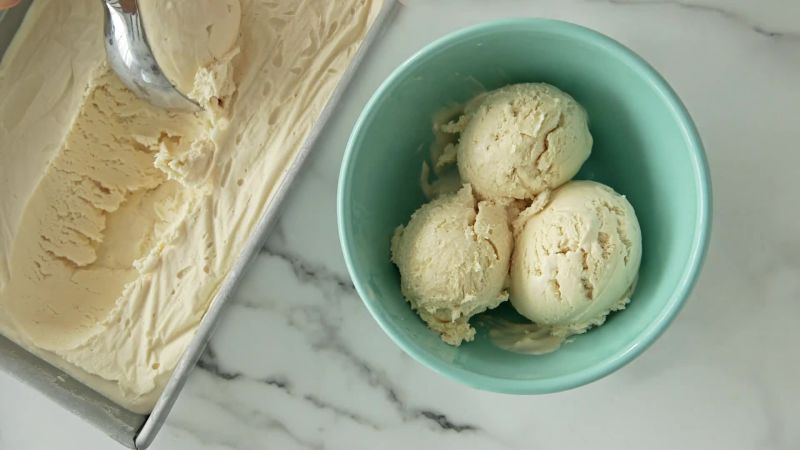
Ice cream at home with just 3 ingredients and no fancy equipment? Done.

icon
You don't just taste it, you feel it. Check out PHILADELPHIA Cream Cheese Frosting recipe.
icon
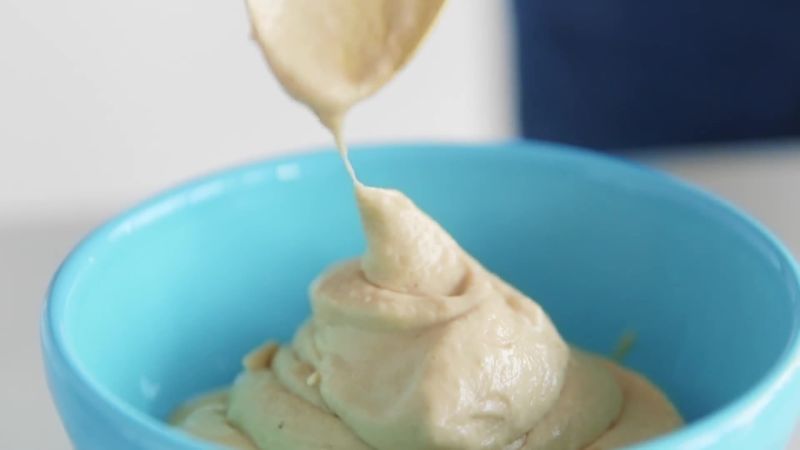
It doesn't get much easier than this banana ice cream.

icon
You don't just taste it, you feel it. Check out Philadelphia cream cheese's Lemon Cake with Cheesecake Tunnel recipe.

icon
Instead of making our own crème anglaise, we use melted vanilla ice cream (it’s the same thing!). Just make sure you choose an all-natural brand free of stabilizers for the best texture.

icon
Nicholas Morgenstern, founder of Morgenstern's Finest Ice Cream, shows us how to make the perfect vanilla bean caramel sauce.
Produced by Gigi Dement
Directed by Shandor Garrison
Cinematography by Tony Burns
Art Direction by Alina Uzlov
Food Styling by Rebecca Jurkevich