This dead-simple walnuts recipe is sweet and savory, which means you can take it in either direction. It’s an amazing sundae topping and would transform an ordinary bowl of oatmeal into a thing of greatness, but you could also serve it on a cheese board or as a condiment for roast pork chops. Choices!
My grandmother came up with ways to use all of the black walnuts we get at the farm, where the trees grow like weeds. They're literally tough nuts to crack (my grandfather would drive over them with his tractor). Regular English walnuts are a less labor-intensive and milder substitute. My Aunt Janet sent me a copy of my grandmother's original handwritten recipe, which I've modified only slightly. This is a dense cake and doesn't need a frosting, but a scoop of ice cream makes it even better.
In Brother Juniper’s Bread Book, I included a recipe for a variation of this bread, but I believe this version is even better, encompassing all the qualities one wants from a raisin bread. It is light, flavorful, loaded with raisins, and it has a wonderful finish, filling your mouth with the satisfying aftertaste of roasted walnuts. If you prefer not to use nuts, eliminate them from the formula without any further changes (you may also substitute other nuts, such as pecans or hazelnuts).
This traditional sweet is believed to have originated in Sichuan, where walnut trees from Persia were first planted in China. As with many Chinese foods, the walnut is imbued with symbolic meaning: it is believed to benefit the mind because the shelled nut looks like a brain lobe. Brain food or not, the walnut was a deliciously significant sweet long ago in Sichuan and western China. Reminiscent of halvah, mashed walnuts encased in a thin, flaky dough and covered with sugar syrup is a famed tea-time dish and just one of many Sichuan creations based on walnuts.
In this recipe, walnuts go through four distinct cooking processes: they are boiled, reboiled, glazed, and finally deep-fried. Once a provincial sweet, they emanated outward from Sichuan many years ago, turning up in restaurants in Shanghai, Guangzhou, and Hong Kong, usually as appetite-whetting, pre-meal snacks and just as often as snacks to conclude a meal along with fresh fruit. They were quickly dubbed "honey walnuts," though they are glazed with sugar syrup. They began to appear in the West about forty years ago, with the onset of the popularity of Sichuan and Hunan restaurants. These days, they are a standard offering.
One particularly attractive aspect of these crisp, sweet walnuts is that they do not become soft if stored properly. Packed into an airtight container and left at room temperature, they will keep for at least 1 week. They will keep for at least 6 months in the freezer, and when served directly from freezer to table, they will still be crisp. Although I do recommend freezing them for an inordinate time, I did once leave them in the freezer for a year as an experiment. They were perfectly crisp and not at all stale. If you decide to make walnuts for storage, do not double the recipe, as the walnuts won't cook properly. Instead, make individual batches. Pecans can be prepared the same way.
I love a good coffee cake to serve as a snack or for breakfast, and when I needed a vegan version, this recipe is the one I turned to. My friend Leslie Cerier is an organic caterer and the author of Going Wild in the Kitchen.
Foragers prize black walnuts for their rich taste. Scientists study them because they contain the compound limonene, believed to have anti-cancer properties. Remarkably, one botanist has suggested that limonene inhaled from black walnut trees could help prevent cancer. Removing the hull and extracting the meat is challenging; crushing the nuts under a car tire is a popular method. If you can’t find the real thing, use regular walnuts instead. Enjoy this mildly sweet cake with tea or coffee.
On Wednesday, the Foodist blew up our spot by declaring peanut butter on toast the breakfast of choice for many BA staffers. The Test Kitchen can do you one better, Foodist: We make our own nut butters.
Join Chris Morocco in the Bon Appétit Test Kitchen as he makes pasta with kale pesto. Substitute pine nuts for the walnuts if you'd like. To serve with pasta, stir in ½ cup pasta cooking liquid to the pesto until smooth and toss to coat, or serve as a topping for chicken.
Check out the recipe here: https://slim-weight.today/recipe/kale-pesto-with-whole-wheat-pasta%3C/div%3E%3C/div%3E%3C/div%3E%3C/div%3E%3C/div%3E%3C/div%3E%3C/div%3E%3Cdiv class="StackedRatingsCardWrapper-RIFgn jsPKbl SummaryCollectionGridSummaryItem-ilztYA cpHIzM search_result_item-6aa254f7e00df8521324df64">
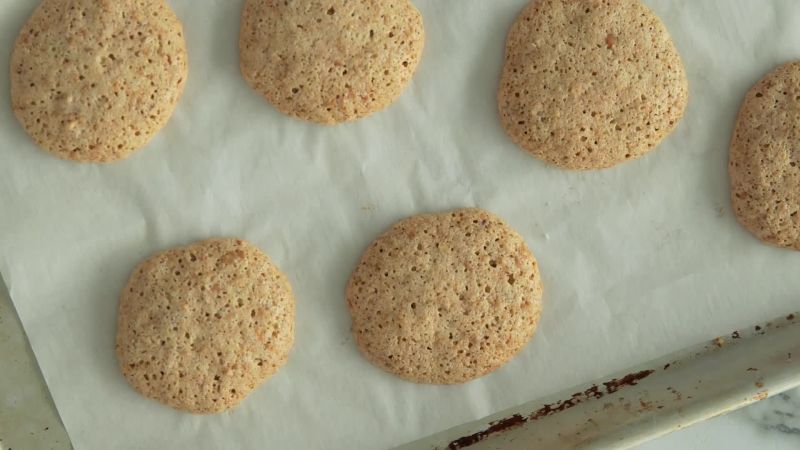
Learn how to make Peanut Meringue Cookies!
Get the recipe here: http://slim-weight.today/recipe/peanut-meringue-cookies%3C/div%3E%3C/div%3E%3C/div%3E%3C/div%3E%3C/div%3E%3C/div%3E%3C/div%3E%3Cdiv class="AdWrapper-fGiLaV icsvgw SummaryCollectionGridSummaryItem-ilztYA heRZco ad ad--read-more">
We challenged Chris Morocco to recreate an Oysters Rockefeller recipe from ‘Serious Eats’ in the Bon Appétit Test Kitchen. The catch? He’s doing it blindfolded with only his other senses to guide him.
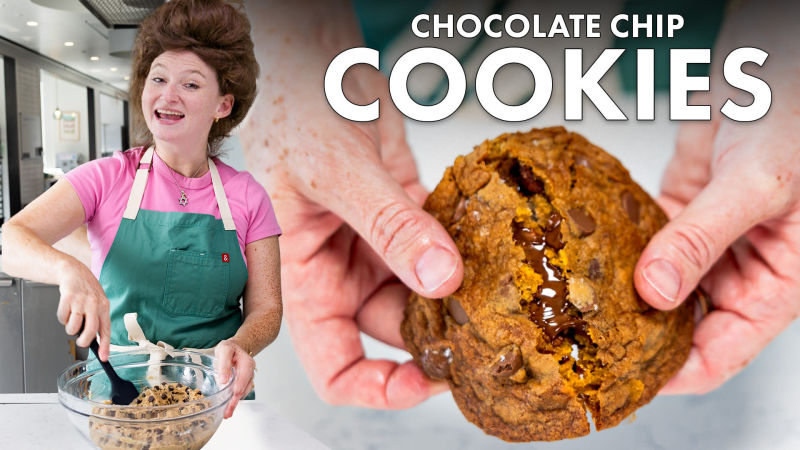
Pastry chef Caroline Schiff shares her ultimate chocolate chip cookie recipe using two special ingredients. Discover how brown butter and malted milk powder create irresistibly chewy centers, crisp edges, and deep toffee-like flavor for the perfect cookie.
For more recipes like this one, preorder Caroline’s cookbook Daily Dessert, out 10/13/26: https://www.pastryschiff.com/cookbook/